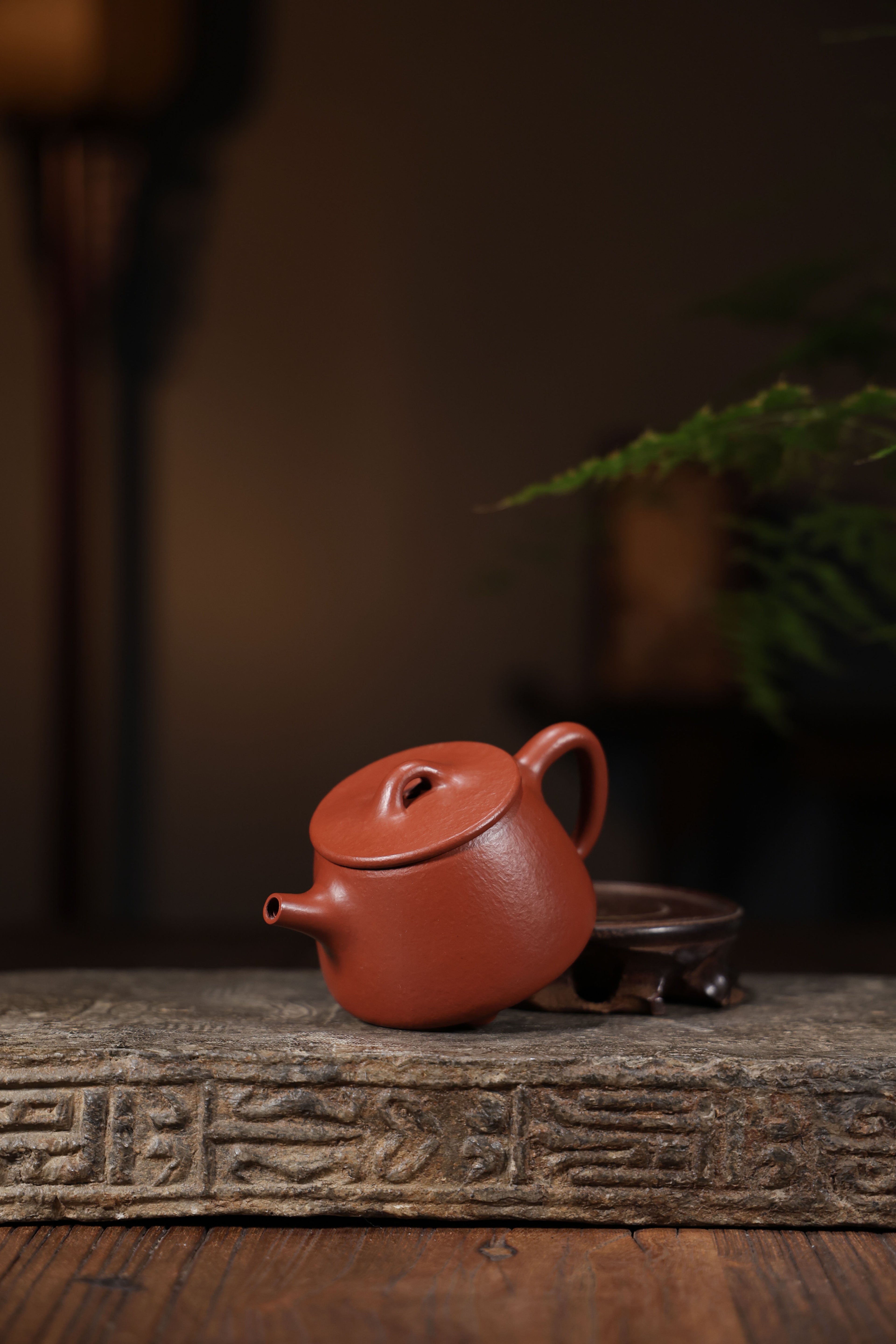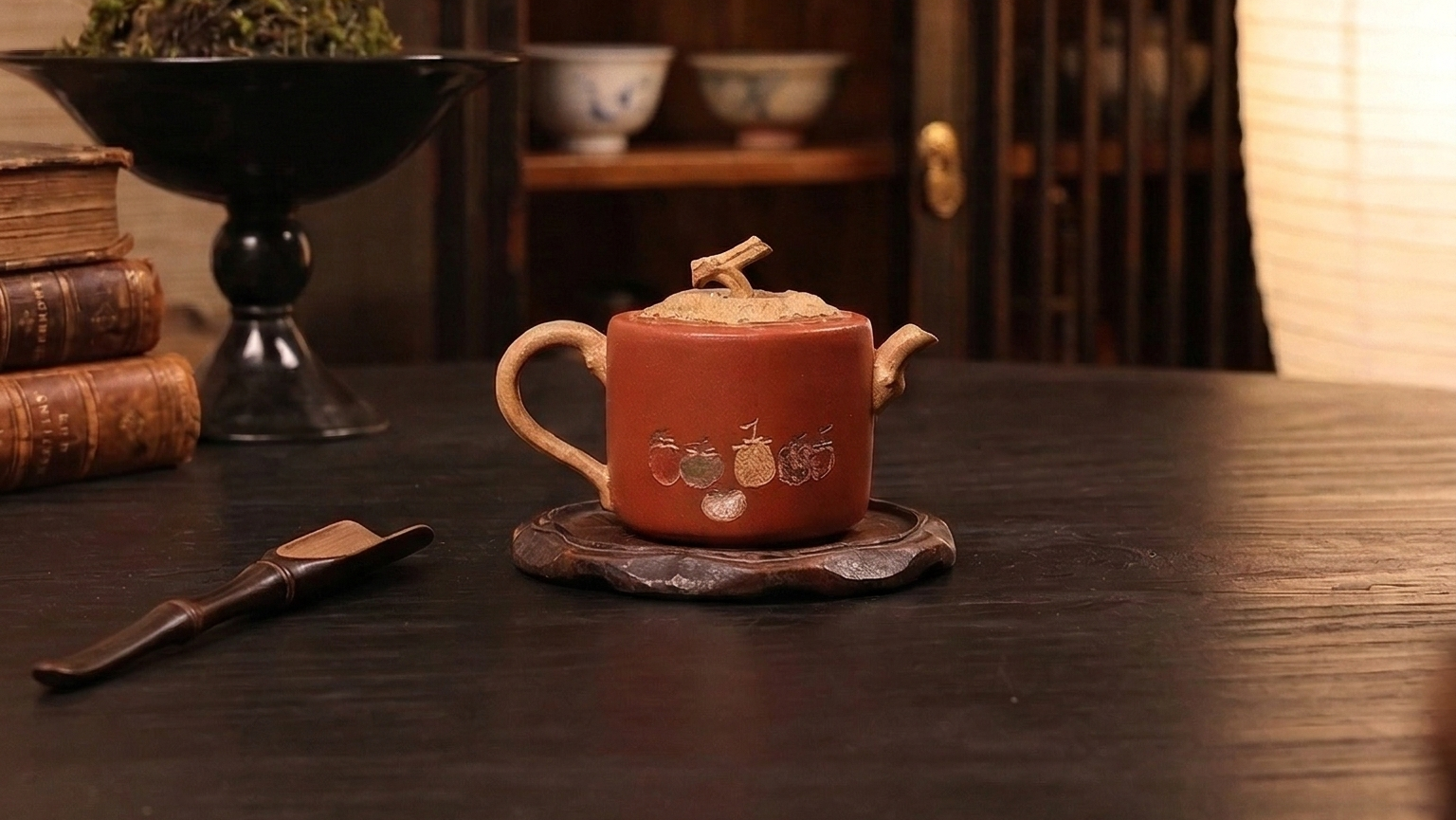
Perpetual inheritance determines Zisha ceramic pots amid generations,
Representing singular properties collected among provincial heliotrope earthen materials, those earthenwares gain a glow along handling, strengthening profile yielded from developed extracts.
Comprehending Yixing Soil: Thorough Insights into Zisha
Many connoisseurs recognize the distinctive feel of Yixing purple clay, a cornerstone of traditional Chinese pottery. Originating from the Yixing region of Jiangsu province, this notable clay shows an delicate mineral arrangement, so that offers fabulous qualities to the finished vessels. Variants within Zisha, including Zi Mud, Duan Ni Mud, and Jiang Xi Mud, each demonstrates particular complexions, feels, and baking traits, shaping the openness and the concluding savor enhancement of the beverage.
Far Eastern Teapot Cultures: Understanding Technique
Sino teapots embody far more mere flasks for drink; they express centuries of historical mastery. From the distinguished Yixing clay variations, respected for their breathable nature which imparts individual accents to the tea, to the ornate porcelain from Jingdezhen, each piece conveys a tale of artistry. The production process is an meticulous practice, often bequeathed through generations of professionals. These specialists use time-honored procedures such as hand-building, molding on wheels, and beautifying, demonstrating profound reverence for the clay and the craft itself. Think about the commitment invested in each piece as a symbol of Chinese artistry legacy.
- Purple sand urns: a famous assortment.
- Refined china teapots: acclaimed as their fragile design.
- Modeling techniques: a demanding yet fruitful procedure.
Purple Clay Pitcher Preservation: Caring for Your Prized Possession
Necessary support of your unique Yixing Zisha pot is critical to extending its quality. Crafted from celebrated purple sand mineral, these superior teapots mature a complex patina after practice, greatly boosting their allure. Stay away from washers; a mild rinse with comfortable warmth water is satisfactory. Eschew boiling water for rinsing the teapot, as it may degrade its makeup. Allow it to dry naturally away from bright natural light. Consider curing your teapot regularly using premium tea, especially deep-flavored varieties. Here is a brief account:
- Rinse with moderately heated hydrating medium.
- Shun detergents.
- Permit it to desiccate.
- Familiarize with select tea.
Lineage of Yixing Teapots: Initial Phases
The saga of Yixing teapots arises modestly during the Tang dynasty, about the 16th epoch. Initially, these earthenwares were not the coveted objects they are appreciated now. They were formed by domestic potters using the specific purple clay found solely in the Yixing vicinity. These early productions were mainly utilitarian, intended for daily use and often simple in design. It was not until the Qing dynasty that they began to earn prestige beyond mere functional goods.
Determining the Proper Purple Pot: A Beginner's Manual
Delving the realm of Yixing teapots can be daunting, but do not fretting! For rookies, the vital factor is understanding the substrate. True Yixing clay is prized for its permeability, allowing the teapot to absorb the tea's flavor over time, heightening every extracting session. Ponder the design; traditional spherical shapes prevail, yet tailored preferences play a role. Lastly, observe the glaze—while some favor an unfinished appearance, others cherish a delicate gloss. Take your time in the pick process—this is an commitment in a cherished piece of creation.
Eastern Clay Vessels and Their Impact on Chinese Potion Practice
Zisha containers, existing from Yixing, China, have profoundly changed established Chinese tea culture. The Yixing clay teapots, prized for their special color, pattern, and exceptional ability to impart a subtle aroma to the potion, exist as more than mere pots; they are treasured crafts and symbols of status. The very habit of preparing and serving infusion using a Zisha teapot is steeped in origin, elevating the experience beyond simple refreshment. Lineages of artisans have honed their techniques, passed down through descendants, resulting in highly coveted pieces. Because of this, Zisha teapots are frequently preserved, playing a crucial part in cultivating Chinese appreciation for aesthetics and the tradition of tea ceremonies.
- Peculiar Clay Composition
- Imparting Subtle Flavor
- Exquisite Craftsmanship
Determining Verified Valuable Regional Pottery
Procuring a authentic Yixing teapot can be a enjoyable experience, but the market is often plagued with imitations. Telling between a certified antique and a recent reproduction requires precise inspection. Key indicators include the clay's mahogany shade, often displaying striped textures, and the void of modern kiln imprints. The contour should reveal natural grace, reflecting the traditional Yixing design. Finally, evaluating the artisan's inscription is paramount to verify legitimacy against recorded testimonies.
- Assess the clay's grain.
- Look for irregularities, indicative of crafted quality.
- Request an advisor for confirmation.
Purchasing Native Teapots: A Thorough Manual to Ceramics Appreciation
The realm of Chinese Zisha objects delivers a special possibility for astute patrons. Steadily, the rate of these traditional artifacts is driven by various variables, such as the category of composition, the craftsmanship of the maker, the historical notability, and, naturally, the existing interest. Beginners should invest time on researching the different Yixing Zisha Teapot variants of Zisha clay—such as Ice River, Du Ning, and Ruby Mud—and learning about the details linked to each. Diligent inspection of the earthenware's form, tint, and stamp is correspondingly vital to make competent solutions when investing.